
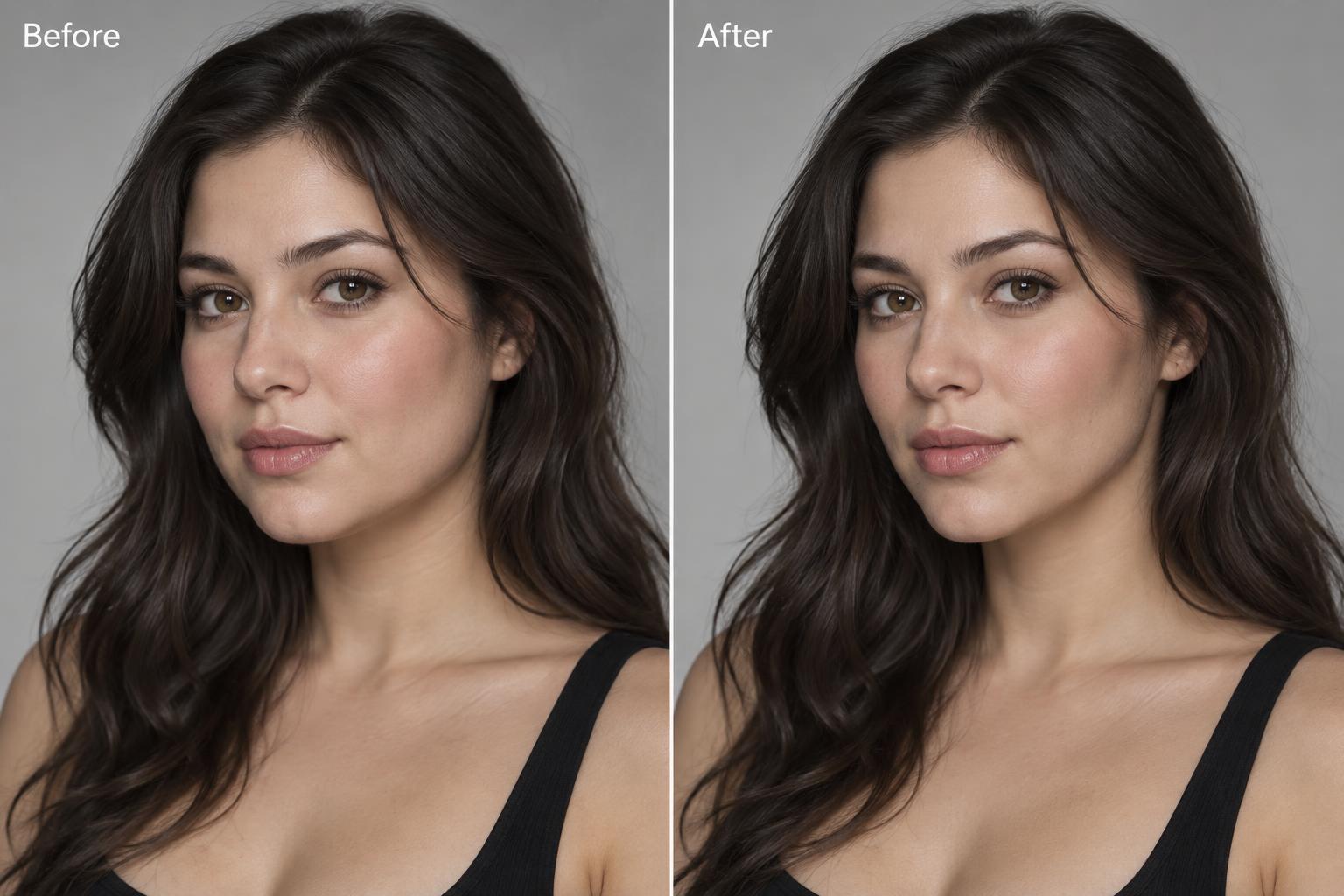
What is the buccal fat pad?
The buccal fat pad lies between muscles in the cheek and contributes to facial fullness. Its size varies between people and between the two sides of a face. Removing part of this pad is different from liposuction of superficial fat or treatment of the area beneath the chin.
Is cheek reduction right for you?
A consultation reviews your health, facial anatomy, existing asymmetry and goals. Adults with persistent cheek fullness and realistic expectations may be candidates. Naturally narrow faces may become overly hollow after removal, and facial volume decreases with age. A conservative approach—or no surgery—may be the better choice.
- Review facial fullness and long-term aging
- Discuss medications, smoking and healing risks
- Consider alternatives and realistic outcomes
- Agree on an individualized treatment plan
How the procedure is performed
Your surgeon selects local anesthesia, with sedation when appropriate, according to the treatment plan. A small incision is made inside each cheek. The buccal fat pad is gently exposed and a carefully selected amount is removed while protecting nearby facial nerves and the salivary duct. The incisions are closed, usually with dissolvable sutures. The intraoral approach typically avoids a visible skin scar.
Risks and long-term considerations
This is surgery, not a risk-free cosmetic shortcut. Possible complications include bleeding, infection, swelling, asymmetry, numbness, poor healing and injury to a facial nerve or salivary duct. Too much removal can produce an overly hollow appearance, particularly with aging. Removed fat does not simply grow back, and correcting an unwanted result can be difficult. Your surgeon will discuss anesthesia risks and informed consent before treatment.
Caring for your mouth after surgery
Follow your surgeon’s written instructions for diet, oral hygiene, prescribed rinses, medications and activity. A liquid or soft-food diet may be recommended initially. Attend follow-up visits and contact the surgical team promptly for worsening pain, fever, drainage or persistent bleeding. Trouble breathing or swallowing requires emergency care.
Recovery timeline
First few days
Expect swelling and tenderness. Rest and follow the prescribed diet and mouth-care instructions.
Following weeks
Incisions heal and swelling gradually settles. Resume activity only as directed by your surgeon.
Several months
The contour becomes clearer as residual swelling resolves. Healing and final appearance vary between individuals.